
Historic Preservation has a rich history that encompasses building science in general, with a particular focus on preserving and maintaining historic buildings. The practice involves striking a delicate balance between preserving the architectural integrity of these structures while incorporating energy-efficient technologies to ensure sustainability and reduce environmental impact.
The Importance of Energy Efficiency in Historic Preservation
When considering weatherization in historic buildings, the goal is to enhance energy efficiency without compromising the historical significance and unique character. Energy-efficient upgrades in historic preservation not only help reduce the carbon footprint but also result in cost savings, improved occupant comfort, and extend the life of the building.
Challenges and Solutions

Weatherizing historic buildings poses unique challenges due to their age, construction techniques, and materials. However, by adopting innovative approaches and utilizing compatible technologies, it is possible to achieve energy efficiency while preserving the historic fabric.
1. Insulation Techniques
Historic buildings often lack proper insulation, which leads to energy loss. However, introducing insulation can be challenging due to the potential alteration of the building's appearance or moisture-related issues. To address this, specialized insulation techniques such as blown-in cellulose, spray foam, or aerogel insulation can be employed, ensuring minimal visual impact while providing efficient thermal insulation.
2. Window Upgrades
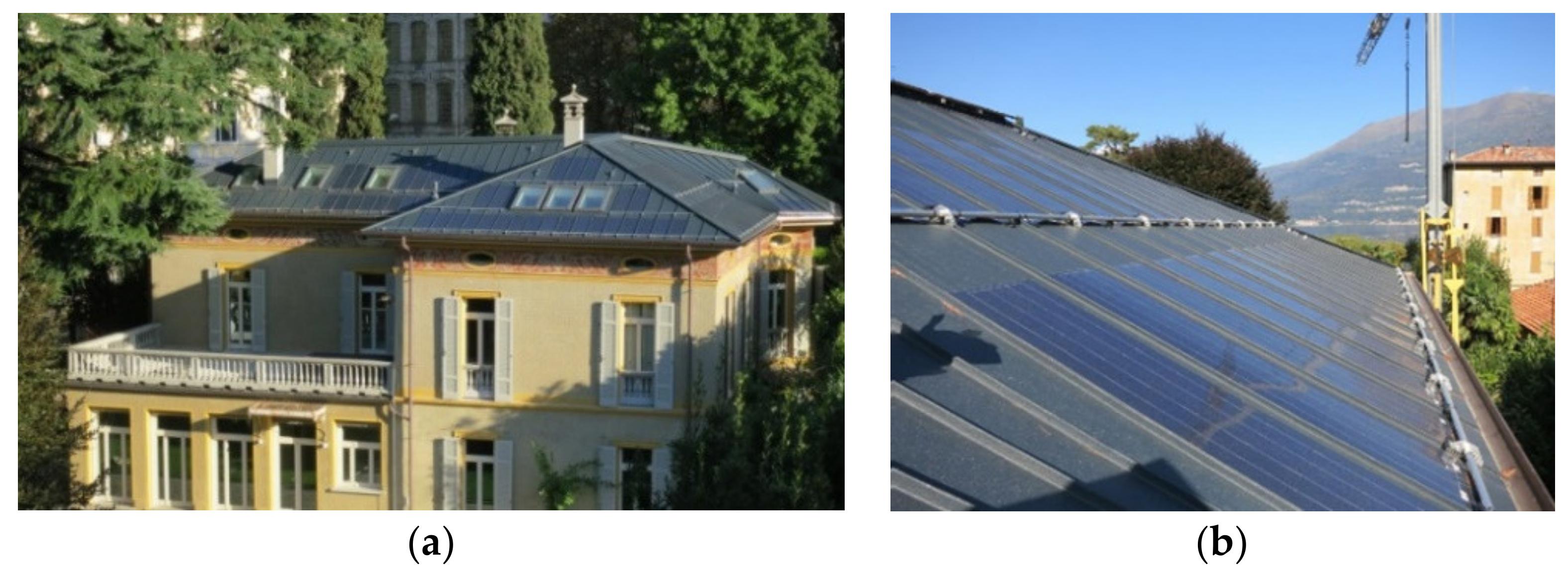
Windows are crucial elements in historic buildings, both visually and functionally. To improve energy efficiency, historic windows can be retrofitted with weatherstripping, storm windows, or secondary glazing that balances energy performance with architectural preservation. In cases where window replacement is necessary, replicas can be custom-made to match the original design.
3. HVAC Systems
Heating, ventilation, and air conditioning (HVAC) systems in historic buildings need careful consideration. Retrofitting existing systems with energy-efficient options, such as heat pumps or geothermal systems, can provide enhanced comfort while minimizing energy consumption. It's vital to assess the compatibility of modern systems with the historic building's load-bearing capacity and architectural integrity.
Preserving the Past, Sustaining the Future
As we strive for a greener future, energy efficiency and historic preservation converge. These approaches can benefit various types of buildings, including hotels. By implementing weatherization techniques discussed above, hotels housed within historic structures can reduce their ecological footprint, redefine hospitality by offering sustainable accommodations, and provide guests with a unique experience that blends history with modern comfort.
Embracing energy efficiency in historic preservation is not only a responsible choice towards sustainable development but also a way to honor our architectural heritage for generations to come.
Burlington
- Doubletree Burlington Vt
- Hilton Garden Inn Burlington Vt
- Comfort Inn Burlington Vt
- Courtyard Burlington Harbor
- Best Western Burlington Vt
- Hilton Burlington Lake Champlain
- Homewood Suites Burlington Vt
- Delta Hotel Burlington Vt
- Sonesta Es Suites Burlington Vt
- Green Mountain Suites Hotel
- Southside Inn
Stowe
- Top Notch Stowe
- Green Mountain Inn
- Stowe Village Inn
- Trapp Family Lodge
- Field Guide Lodge
- Awol Stowe
- The Lodge At Spruce Peak
- Northern Lights Lodge
- Butler House Stowe
Manchester
- Aspen Manchester
- Hampton Inn Manchester Vt
- Equinox Golf Resort & Spa Reviews
- Econo Lodge Manchester Vt
- Inn At Ormsby Hill